
The Cast AI blog
Guides, tutorials, and tips on Kubernetes automation, from cost optimization to cloud security and everything in between.
Kubernetes Spot Instances: How to Cut Compute Costs Without Gambling on Reliability
Spot Instances cut compute cost sharply but can be reclaimed with little notice. Used for fault-tolerant workloads with automated fallback to on-demand, they are one of…

What Is EKS Auto Mode? Managed Karpenter Node Autoscaling
EKS Auto Mode delivers Karpenter-powered node autoscaling without managing the controller. It reduces operational overhead…
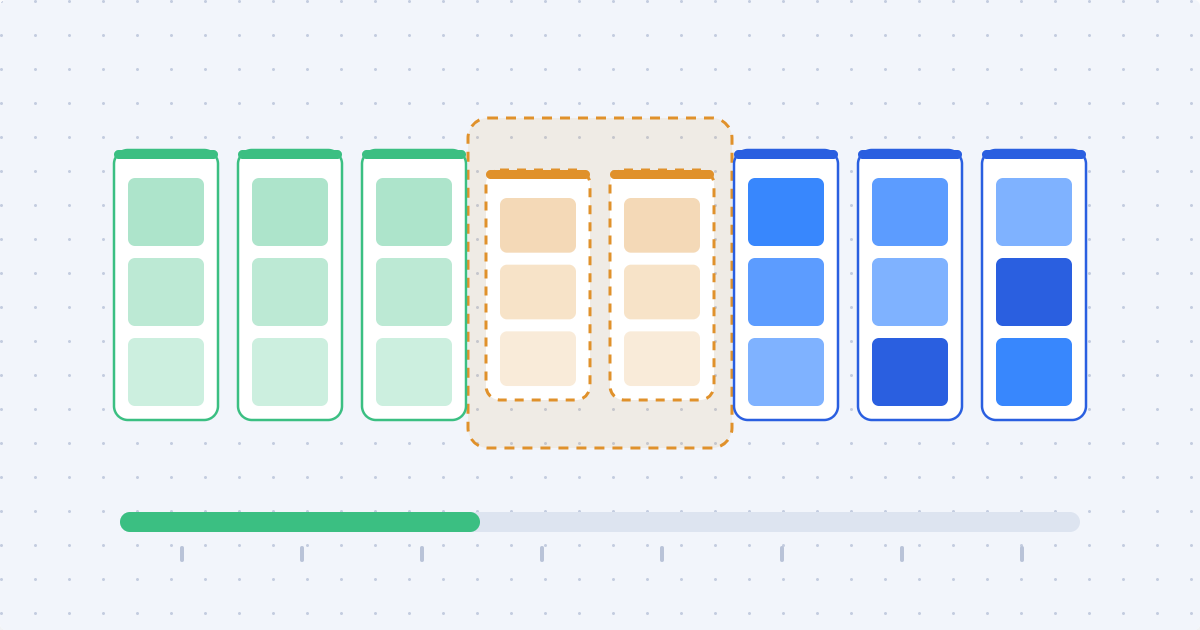
Karpenter Disruption and Drift: How to Consolidate Nodes Safely
Karpenter disruption is how Karpenter removes or replaces nodes: through consolidation, drift, and expiration. Drift…
Karpenter Best Practices for Cost, Reliability, and Safe Scaling
Karpenter best practices balance cost and reliability: design focused NodePools, prefer spot with safe fallback,…
Karpenter Spot Instances: Cut Cost Without Interruptions
Karpenter can provision Spot Instances by setting the capacity type in a NodePool, which cuts…
How to Migrate from Cluster Autoscaler to Karpenter
Migrating from Cluster Autoscaler to Karpenter means replacing managed node groups with Karpenter NodePools that…
Karpenter Consolidation and Bin-Packing: How to Cut Node Waste Safely
Karpenter consolidation continuously repacks running workloads onto fewer, cheaper nodes and removes nodes that are…
Karpenter NodePools and NodeClasses: A Practical Configuration Guide
A Karpenter NodePool defines the constraints Karpenter uses to launch nodes (instance types, capacity type,…
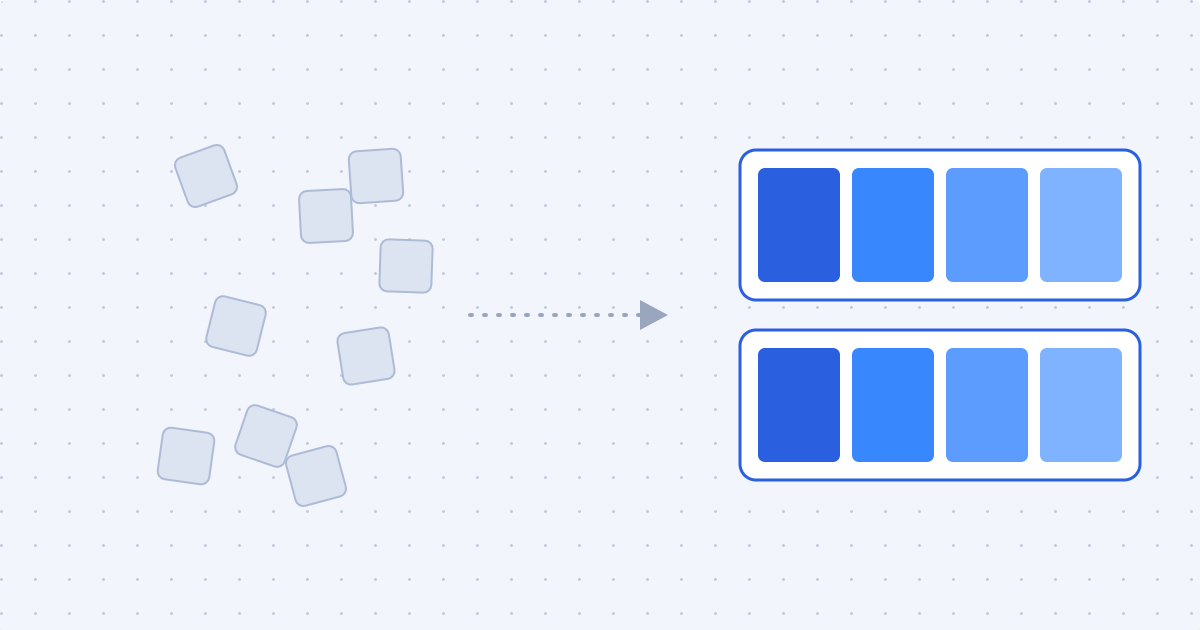
What Is Karpenter? How Just-in-Time Node Provisioning Cuts Kubernetes Cost
Karpenter is an open-source Kubernetes node autoscaler, originally from AWS and now a CNCF project,…
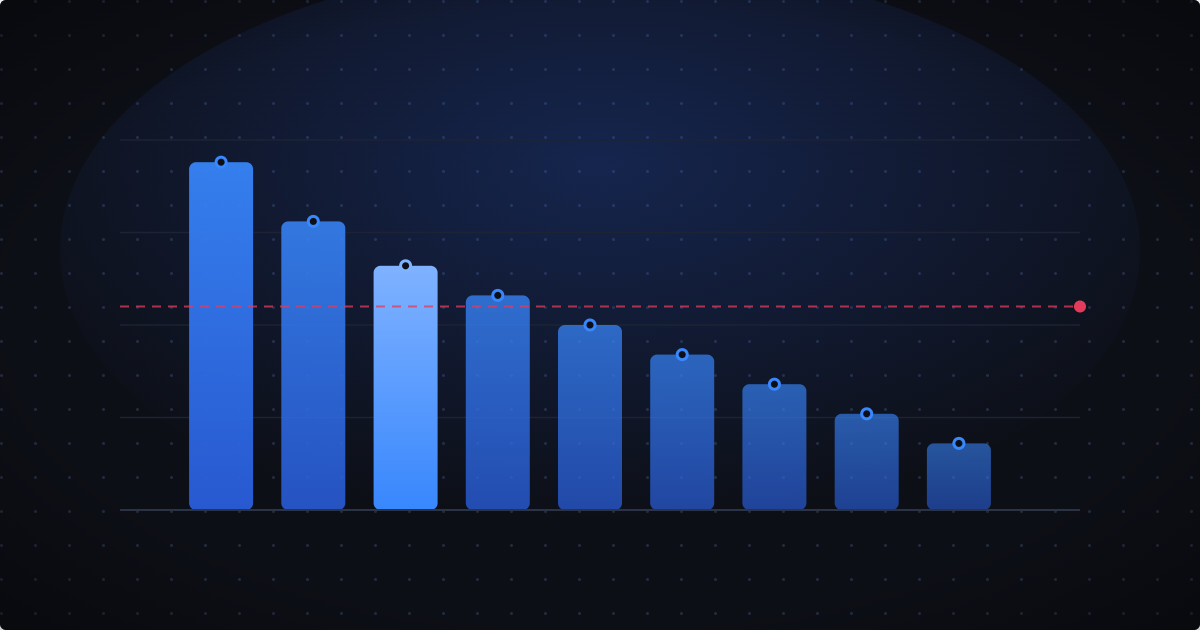
GPU Cloud Pricing in 2026: What AI Compute Really Costs
GPU cloud pricing varies widely by provider, region, and instance type, and it moves with…


4.8/5 50+ reviews