
Cloud cost optimization
Explore cloud cost optimization strategies, Kubernetes best practices and practical guidance for reducing infrastructure waste.

Yes, Cast AI Optimizes at the Workload Level: How PrecisionPack Rightsizes Pods
Cast AI’s PrecisionPack rightsizes workloads based on actual container usage, reducing overprovisioned CPU and memory…

Does Cast AI Lock You In? Node Provisioning, GitOps and What Happens If You Leave
The vendor lock-in question comes up early in Cast AI evaluations. It deserves a direct…
Karpenter Best Practices: 10 Tips for Production Clusters
Karpenter’s defaults aren’t production-ready. This guide covers 10 specific practices to prevent real cluster failures:…

Demystifying Quantizations: Guide to Quantization Methods for LLMs
Quantization is key to running large language models efficiently, balancing accuracy, memory, and cost. This…

Kubernetes Requests and Limits: How to Right-Size Pods Without Breaking Reliability
In Kubernetes, requests define the resources a pod is scheduled for, while limits cap usage.…
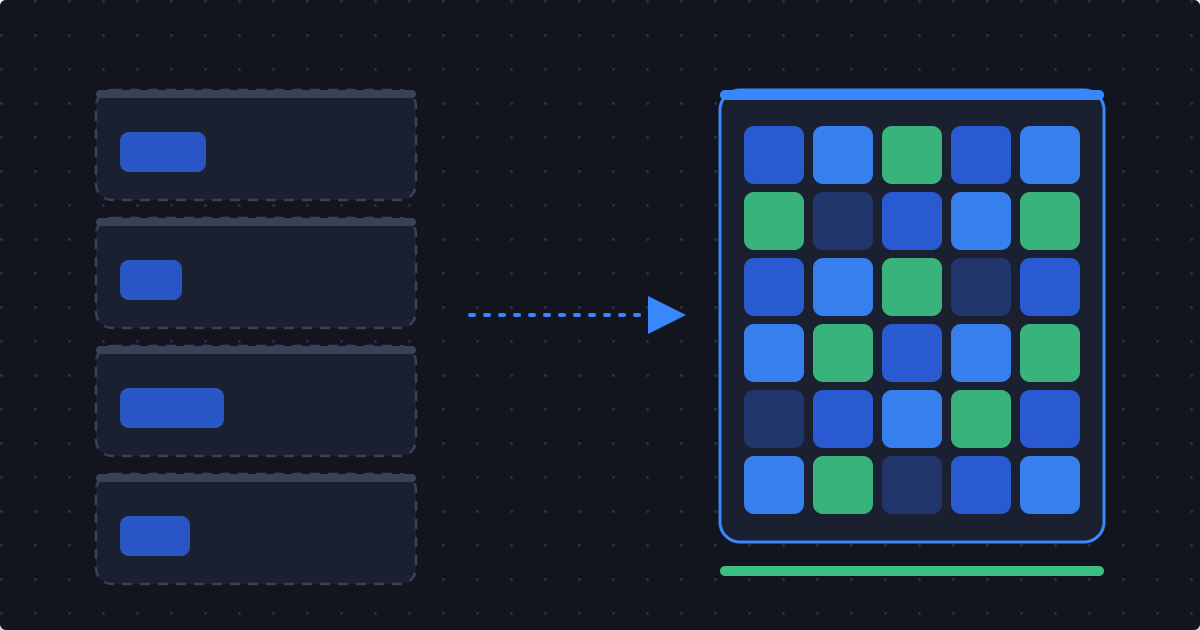
LLM Inference Cost Optimization: Run AI Inference for Less
Most LLM inference spend is idle GPU capacity. This guide covers five concrete optimization levers…

Kubernetes Spot Instances: How to Cut Compute Costs Without Gambling on Reliability
Spot Instances cut compute cost sharply but can be reclaimed with little notice. Used for…

What Is EKS Auto Mode? Managed Karpenter Node Autoscaling
EKS Auto Mode delivers Karpenter-powered node autoscaling without managing the controller. It reduces operational overhead…
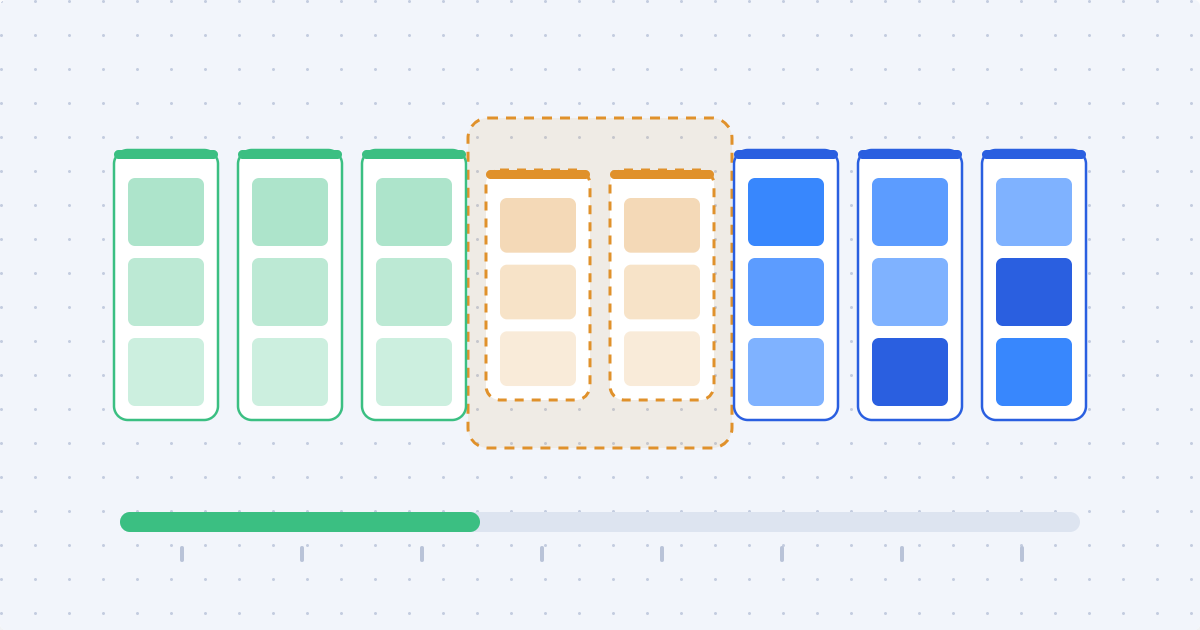
Karpenter Disruption and Drift: How to Consolidate Nodes Safely
Karpenter disruption is how Karpenter removes or replaces nodes: through consolidation, drift, and expiration. Drift…


4.8/5 250+ reviews