

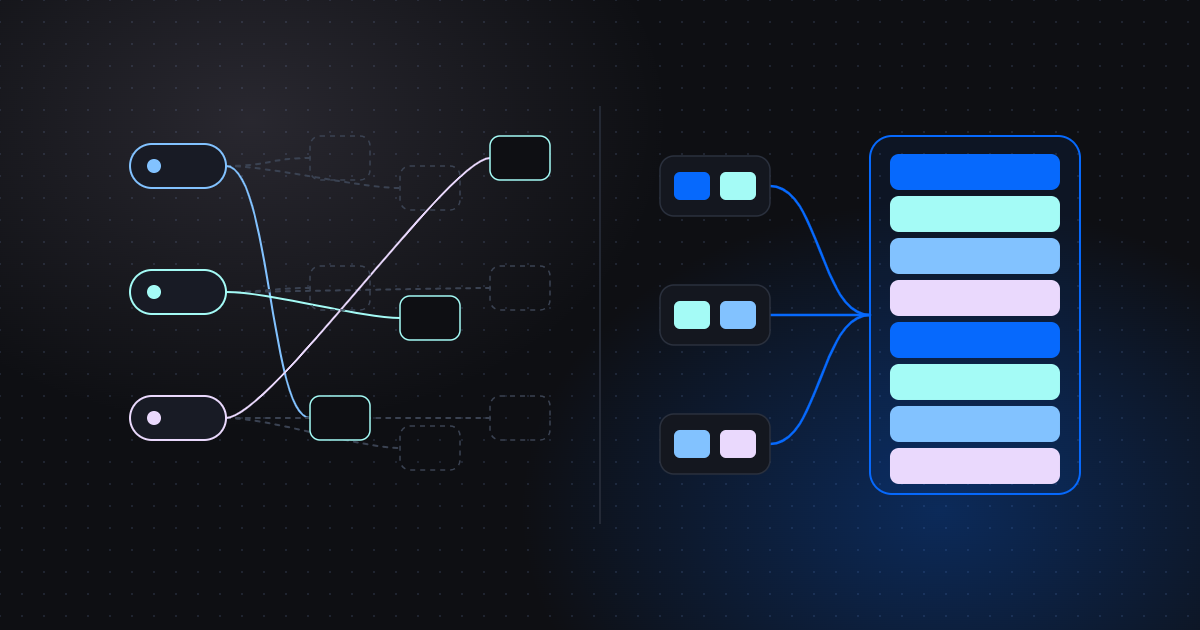
Cast AI vs SkyPilot: Two Approaches to Finding GPUs Across Clouds
SkyPilot and Cast AI take different approaches to GPU infrastructure, and the right fit depends…
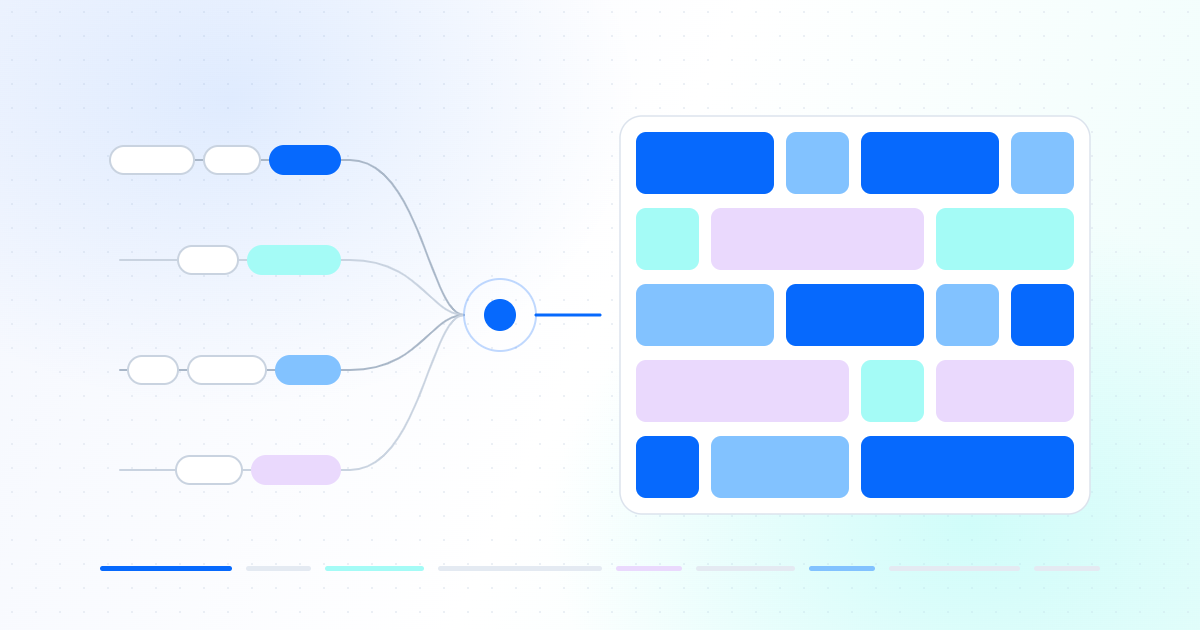
GPU Job Queueing with Kueue and DRA: Scheduling AI Workloads Without Idle Capacity
Kueue and DRA help Kubernetes manage GPU capacity more efficiently by queuing workloads until resources…
Migrating from Kubecost to Automated Optimization: What Changes and What to Keep
Moving from Kubecost to Cast AI is mainly about planning the transition. Keep your existing…
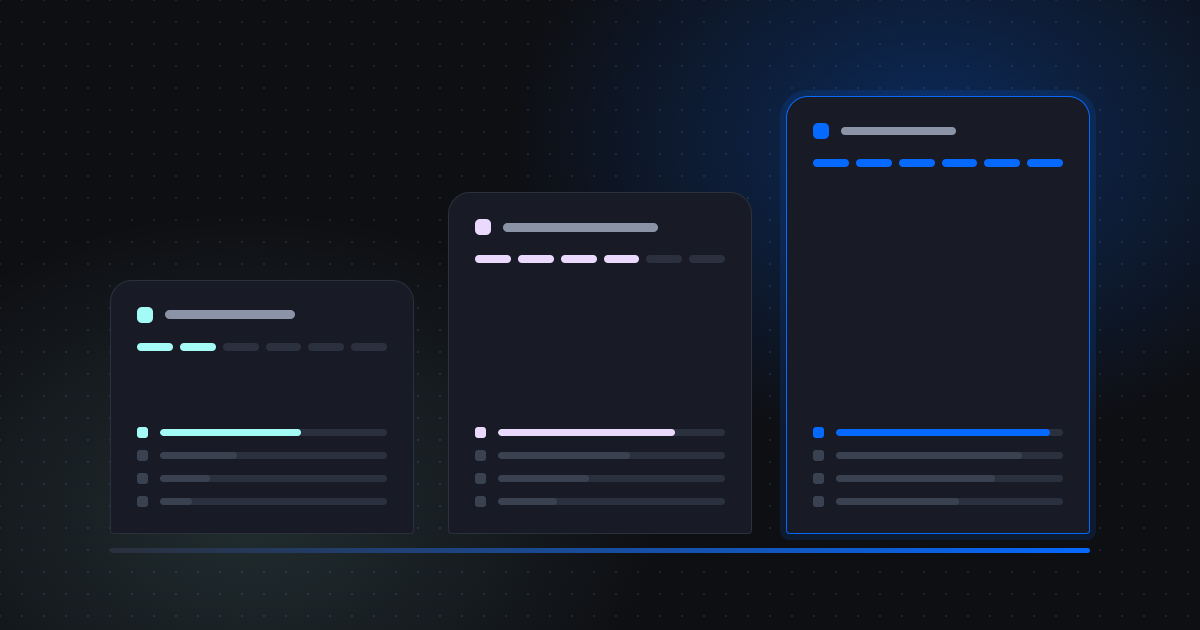
Automated, Autonomous, Agentic: What the Three Levels of Kubernetes Operations Actually Mean
Automation, autonomy, and agentic operations are not interchangeable. This post breaks down the four levels…
SaaS, Self-Hosted or Air-Gapped: Choosing a Deployment Model for Kubernetes Optimization
The deployment model question comes before the feature comparison. This guide covers what data each…
Karpenter Is Free. Here’s What You Actually Pay For at Scale
Karpenter has no license fee, but running it at scale can require significant engineering overhead.…
Open-Source Karpenter Limitations: What the Gaps Are at Enterprise Scale
Karpenter provisions nodes efficiently but has six documented limitations at enterprise scale: no workload rightsizing…
AI and Token Cost Management on Kubernetes: Attributing Inference Spend to Teams
Token costs are often invisible in Kubernetes cost tooling. This guide explains how to attribute…
Dev and Staging Kubernetes Costs: What to Cut When Nobody Is Watching
Your production cluster gets the scrutiny it deserves: resource limits tuned, Spot nodes managed, capacity…


4.8/5 250+ reviews