

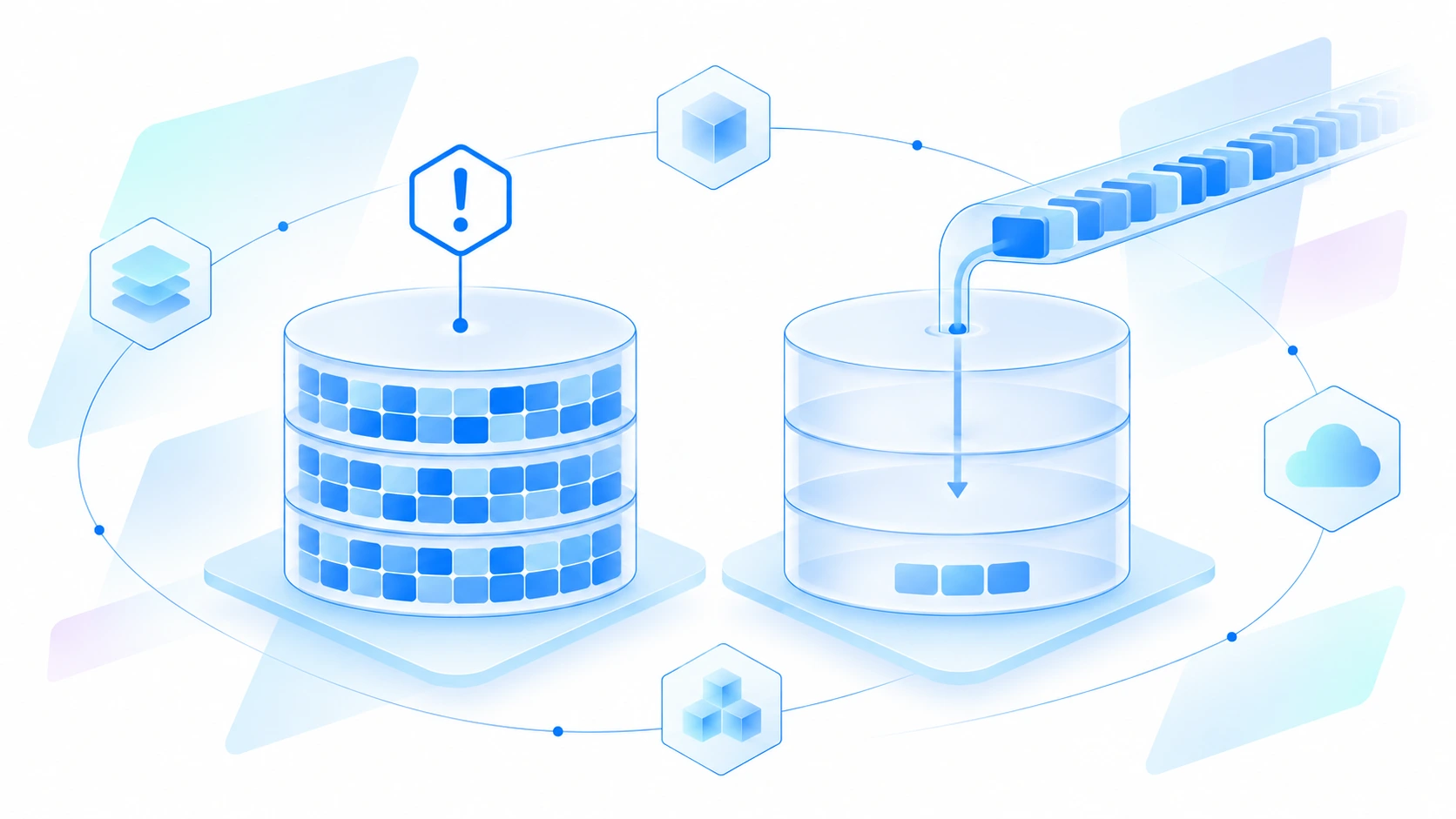
Disk Full or IOPS Throttled? The Two Storage Emergencies That Look Identical at 2 a.m.
A Kubernetes storage runbook for on-call engineers: identify exhausted capacity, inode pressure, and performance limits,…

Idle Kubernetes Resources: How to Find and Eliminate Them at Scale
Kubernetes idle capacity is the gap between what workloads request and what they actually use.…

How to Increase GPU Utilization in Kubernetes (5 Proven Fixes)
Put idle GPU capacity to work. This guide covers the metrics, sharing methods, scheduling changes,…
Kubernetes Configuration Drift: How to Detect It and What It Costs You
Kubernetes configuration drift occurs when actual cluster state diverges from what Git or Helm declares,…

How Cast AI’s Automation Decides: The Guardrails, Rollbacks and Evidence Behind Each Action
Safe Kubernetes automation requires more than utilization metrics. This post explores how SLO signals, pre-flight…
What Is AI SRE, and Where Does Cost Automation Fit?
AI SRE goes beyond observability and AIOps into incident investigation, root cause analysis, and remediation.…
The FOCUS Specification for Kubernetes and AI Costs, Explained
FOCUS 1.4 standardizes cloud billing data across providers and improves Kubernetes cost visibility, but does…
The Karpenter Ecosystem: Which Tools Extend Karpenter, and What Each Adds
Karpenter provisions nodes well, but production Kubernetes also needs workload rightsizing, cost allocation, multi-cluster policy,…
Karpenter Is Running but Costs Haven’t Dropped: A Diagnostic Checklist
Karpenter may not reduce costs as expected due to oversized requests, narrow NodePools, disabled consolidation,…


4.8/5 250+ reviews